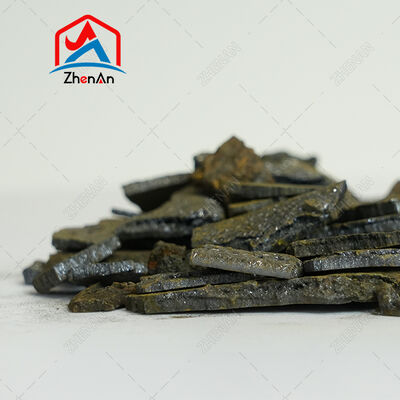
V2O5 Flakes for Energy Storage Catalyst and Metallurgical Applications
Vanadium Pentoxide Flakes (V₂O₅) represent one of the most critical vanadium-based industrial materials utilized across metallurgy, chemical processing, and emerging energy storage systems. As a highly purified oxide form of vanadium, V₂O₅ serves a central role in producing ferrovanadium alloys and enabling high-performance steel manufacturing.
With growing demand for stronger steels and advanced energy technologies, V₂O₅ flakes have become strategically important raw materials within global supply chains.
Understanding V₂O₅ Flakes
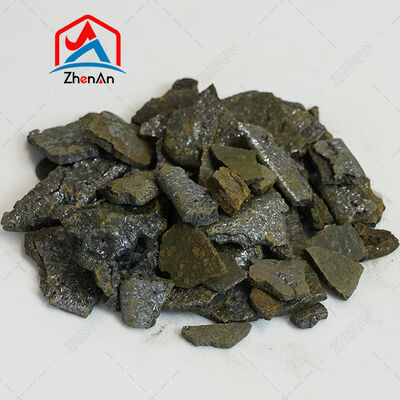
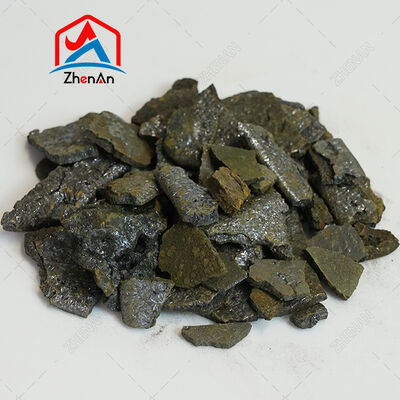
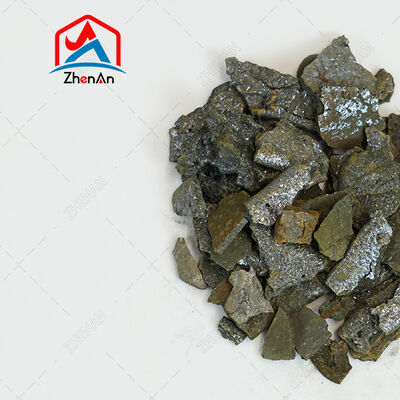
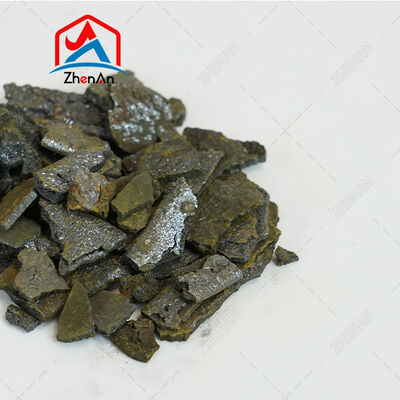
Vanadium Pentoxide (V₂O₅) is an inorganic compound consisting of vanadium and oxygen in its highest oxidation state. It typically appears as yellow, orange, or reddish-brown crystalline flakes and serves as an intermediate product in producing ferrovanadium, chemical catalysts, ceramic materials, and electrochemical energy storage systems.
Industrial Production Process
The production of V₂O₅ flakes involves refining vanadium-bearing materials such as vanadium slag or ores through a multi-stage process designed to ensure high purity and stable quality.
- Raw material roasting and oxidation
- Leaching of vanadium-bearing compounds
- Solution purification and impurity removal
- Precipitation of ammonium metavanadate (NH₄VO₃)
- Calcination to form V₂O₅
- Flake crystallization and screening
- Quality testing and packaging
Technical Specifications
| Item |
Specification |
| Chemical Formula |
V₂O₅ |
| Purity |
≥98% |
| Appearance |
Yellow to Brown Flakes |
| Molecular Weight |
181.88 |
| Melting Point |
~690°C |
| Density |
1.2-1.8 g/cm³ |
| Packaging |
25kg bags / 1000kg jumbo bags |
Key Industrial Functions
- Vanadium source for ferrovanadium alloys
- Catalyst in sulfuric acid production
- Oxidation catalyst in organic synthesis
- Raw material for ceramic and pigment industries
- Electrochemical material for energy storage systems
Metallurgical Applications
The largest application of V₂O₅ is in producing ferrovanadium, used extensively in steel manufacturing to deliver significant benefits:
- Improved tensile strength
- Enhanced hardness and wear resistance
- Better fatigue performance
- Refined grain structure
- Increased structural stability
These improvements make vanadium essential for construction steel, automotive steel, pipeline steel, and high-strength engineering alloys.
Catalyst Applications in Chemical Industry
V₂O₅ is widely utilized as a catalyst due to its excellent oxidation capability in key processes:
- Sulfuric acid (Contact Process catalyst)
- Organic oxidation reactions
- Ceramic and glass production
- Industrial chemical intermediates
Energy Storage Applications
In recent years, V₂O₅ has gained importance in energy storage technologies, particularly vanadium redox flow batteries (VRFB), offering distinct advantages:
- Stable electrochemical performance
- Long cycle life
- Reversible redox reactions
- Suitable for large-scale energy storage systems
V₂O₅ vs Ferrovanadium Comparison
| Item |
V₂O₅ Flakes |
Ferrovanadium |
| Type |
Raw Material |
Finished Alloy |
| End User |
Ferroalloy Producers |
Steel Manufacturers |
| Function |
Vanadium Source |
Steel Strengthening Agent |
Quality Control and Procurement Factors
When sourcing V₂O₅ flakes, buyers should carefully evaluate quality and consistency factors to ensure stable production performance:
- Purity level (≥98%)
- Impurity limits (P, S, Na, K, Si)
- Moisture control
- Particle size uniformity
- Batch-to-batch consistency
- COA and lab certification
- Packaging integrity
Frequently Asked Questions
What is V₂O₅ mainly used for?
V₂O₅ is primarily used as the raw material for producing ferrovanadium, which is added to steel to improve strength, toughness, and wear resistance. It is also widely used in catalysts and energy storage systems.
Why is V₂O₅ important in metallurgy?
Because it provides a concentrated source of vanadium, which enhances steel microstructure, increases hardness, and improves fatigue resistance in engineering applications.
Can V₂O₅ be used directly in steelmaking?
No. It is typically first converted into ferrovanadium, which is then added to molten steel during alloy production.
What purity is required for industrial applications?
Most metallurgical applications require at least 98% purity to ensure stable reduction performance and high vanadium recovery efficiency.
What are the risks of impurities in V₂O₅?
Excess impurities can reduce alloy quality, increase slag formation, and negatively impact smelting efficiency and final steel performance.
Is V₂O₅ used in batteries?
Yes, it is used in vanadium redox flow batteries and other electrochemical energy storage systems due to its reversible redox properties.
Contact for Inquiries: WhatsApp: +86 15518824805


 आपका संदेश 20-3,000 अक्षरों के बीच होना चाहिए!
 Hindi
Hindi