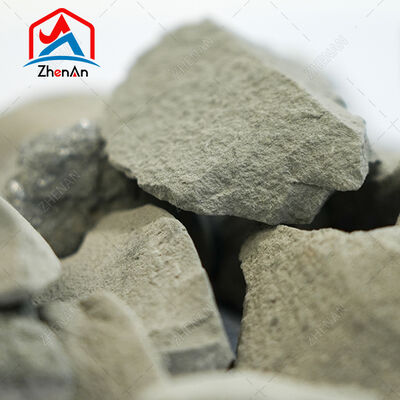
इस्पात निर्माण के लिए फेरो सिलिकॉन नाइट्राइड FeSiN निर्माता, दुर्दम्य योजक
उच्च शक्ति वाला औद्योगिक सामग्री, प्रत्यक्ष कारखाने की आपूर्ति से थोक निर्यात के लिए उपलब्ध।
इस्पात निर्माण दुर्दम्य अनुप्रयोगों के लिए फेरो सिलिकॉन नाइट्राइड (FeSiN) क्यों चुनें?
- स्थिर गुणवत्ता नियंत्रण के साथ प्रत्यक्ष कारखाने की आपूर्ति
- कठिन इस्पात निर्माण प्रक्रियाओं के लिए उच्च-शक्ति FeSiN
- वैश्विक खरीदारों के लिए विश्वसनीय थोक निर्यात क्षमता
- बेहतर दुर्दम्य जीवनकाल और तापीय स्थिरता
- बड़े पैमाने पर धातु विज्ञान उत्पादन के लिए लागत प्रभावी समाधान
फेरो सिलिकॉन नाइट्राइड क्या है और इसके इस्पात निर्माण अनुप्रयोग?
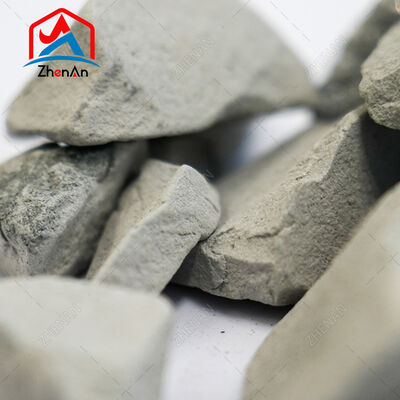
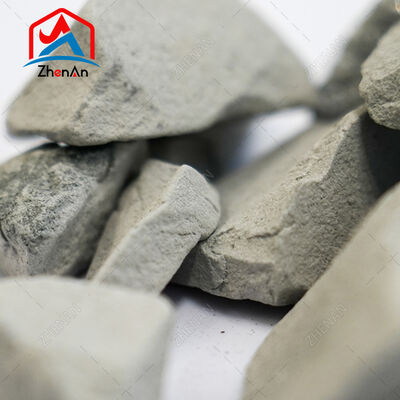
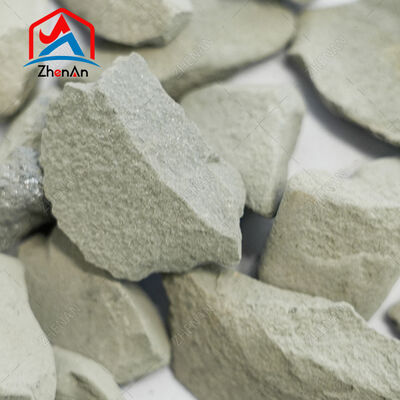
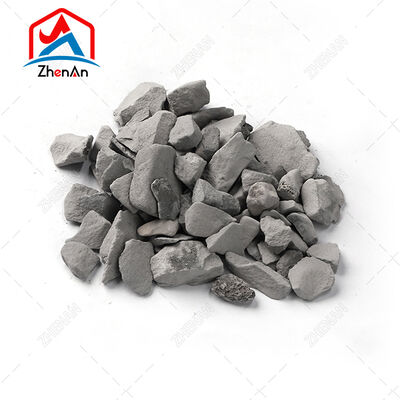
फेरो सिलिकॉन नाइट्राइड (FeSiN) सिलिकॉन, नाइट्रोजन और लोहे से बना एक उन्नत धातुई और दुर्दम्य योजक है। इसका व्यापक रूप से उपयोग किया जाता हैइस्पात निर्माण, ढलाई और दुर्दम्य उद्योगों मेंउच्च तापमान प्रदर्शन और इस्पात की गुणवत्ता में सुधार के लिए।
एक निर्माता-आपूर्ति सामग्री के रूप में, FeSiN लगातार रासायनिक संरचना और स्थिर भौतिक प्रदर्शन सुनिश्चित करता है, जिससे यह निरंतर औद्योगिक इस्पात उत्पादन और बड़े भट्ठी संचालन के लिए उपयुक्त है।
मानक FeSiN विनिर्देश
| पैरामीटर |
विशिष्ट सीमा |
| सिलिकॉन (Si) |
40-60% |
| नाइट्रोजन (N) |
20-35% |
| लोहा (Fe) |
शेष |
| कार्बन (C) |
≤1.5% |
| कण आकार |
10-50 मिमी / अनुकूलित |
| रूप |
ढेला / दानेदार |
| घनत्व |
2.5-3.2 ग्राम/सेमी³ |
| अनुप्रयोग |
इस्पात निर्माण / दुर्दम्य / धातु विज्ञान |
FeSiN इस्पात निर्माण और दुर्दम्य प्रदर्शन में कैसे सुधार करता है
FeSiN औद्योगिक अनुप्रयोगों में दोहरी भूमिका निभाता है। इस्पात निर्माण में, यह एक नाइट्रोजन-युक्त मिश्र धातु के रूप में कार्य करता है जो अनाज शोधन को बढ़ाता है, इस्पात की तन्यता ताकत और कठोरता में सुधार करता है।
दुर्दम्य प्रणालियों में, FeSiN तापीय झटके और रासायनिक क्षरण के प्रतिरोध को काफी बढ़ाता है। यह भट्ठी की लाइनिंग को निरंतर उच्च तापमान की स्थिति में संरचनात्मक अखंडता बनाए रखने में मदद करता है।
औद्योगिक उपयोग के लिए निर्माता-ग्रेड FeSiN के लाभ
निर्माता-उत्पादित FeSiN बैचों में स्थिर संरचना, नियंत्रित कण आकार और सुसंगत प्रदर्शन सुनिश्चित करता है।
गैर-मानक आपूर्ति स्रोतों की तुलना में, कारखाने-ग्रेड सामग्री प्रदान करती है:
- बेहतर रासायनिक स्थिरता
- उच्च नाइट्रोजन दक्षता
- बेहतर दुर्दम्य बंधन शक्ति
- इस्पात संयंत्रों में उत्पादन में उतार-चढ़ाव में कमी
यह इसेथोक निर्यात और दीर्घकालिक औद्योगिक अनुबंधोंमें उपयोग किया जाता है।
FeSiN ग्रेड तुलना
FeSiN 30 बनाम FeSiN 20: इस्पात निर्माण के लिए कौन सा अधिक उपयुक्त है?
FeSiN 30 में उच्च नाइट्रोजन सामग्री होती है, जिससे यह इस्पात की ताकत, घिसाव प्रतिरोध और दुर्दम्य स्थिरता में सुधार के लिए अधिक प्रभावी होता है। इसका व्यापक रूप सेउच्च-स्तरीय इस्पात उत्पादन और मांग वाली भट्ठी वातावरणमें उपयोग किया जाता है।
FeSiN 20 अधिक किफायती है और सामान्य इस्पात निर्माण प्रक्रियाओं के लिए उपयुक्त है जहां मध्यम प्रदर्शन स्वीकार्य है।
FeSiN बनाम फेरोसिलिकॉन: मुख्य अंतर
फेरोसिलिकॉन का उपयोग मुख्य रूप से डीऑक्सीडेशन के लिए किया जाता है और यह नाइट्रोजन को मजबूत नहीं करता है।
FeSiN सिलिकॉन और नाइट्रोजन को जोड़ता है, जोबेहतर यांत्रिक शक्ति, तापीय प्रतिरोध और दुर्दम्य स्थायित्वप्रदान करता है, जिससे यह एक अधिक उन्नत कार्यात्मक सामग्री बन जाती है।
FeSiN बनाम सिलिकॉन नाइट्राइड: औद्योगिक व्यावहारिकता
FeSiN बड़े पैमाने पर धातु विज्ञान अनुप्रयोगों के लिए डिज़ाइन किया गया है और इस्पात निर्माण प्रणालियों के साथ बेहतर लागत दक्षता और संगतता प्रदान करता है।
सिलिकॉन नाइट्राइड एक उच्च-शुद्धता सिरेमिक सामग्री है जिसका उपयोग मुख्य रूप से सटीक इंजीनियरिंग में किया जाता है, न कि थोक इस्पात उत्पादन में।
निर्माता-आपूर्ति FeSiN के मुख्य लाभ
- स्थिर रासायनिक संरचना
- सुसंगत कण वितरण
- उच्च बैच-से-बैच विश्वसनीयता
- बेहतर भट्ठी प्रदर्शन
- कम दुर्दम्य घिसाव और दरारें
- अनुकूलित इस्पात गुणवत्ता उत्पादन


 आपका संदेश 20-3,000 अक्षरों के बीच होना चाहिए!
 Hindi
Hindi